

 Tiếng Việt
 日本語
日本語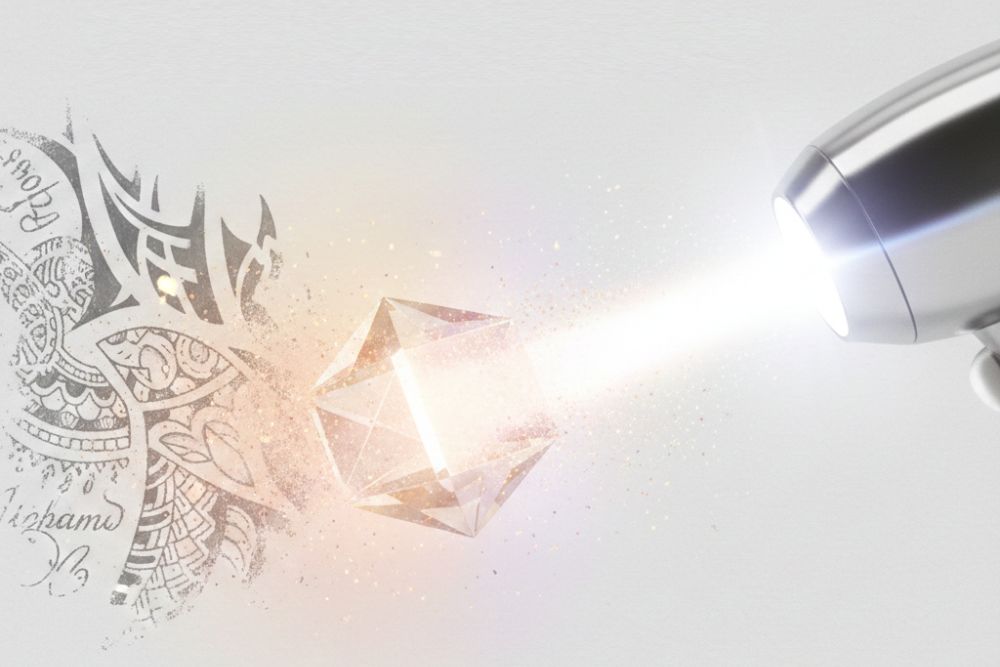
Our bodies are the canvas for our personal history. A tattoo that symbolized a moment of passion, a belief system, or a relationship in your early twenties might feel foreign to the person you have become today. It’s perfectly ok to outgrow your ink. We evolve, our tastes change, and our professional lives shift; it is only natural that our physical appearance might need to catch up with our internal growth.
However, aligning your outer appearance with your inner self comes with practical considerations. If you are considering clearing the canvas, here is what you need to know about the logistics and investment of tattoo removal.
Understanding the Tattoo Removal Process
Before looking at the budget, it helps to understand the mechanism. The industry standard is laser removal, which utilizes high-intensity beams to break down tattoo pigments. But how does this actually work?
Think of the ink in your skin as a large boulder that is too heavy for your body to move. The laser acts like a sledgehammer, delivering rapid, high-energy pulses that shatter that boulder into tiny pebbles and sand. Your body’s immune system then naturally absorbs and eliminates these fragmented particles. Specifically, your white blood cells (macrophages) engulf the tiny ink particles and transport them to the lymph nodes, where they are processed and flushed out of your system.
It is a biological process, not just a cosmetic one, which is why patience is required; depending on size and placement, you are looking at a multi-session journey. You aren’t just waiting for the skin to heal; you are waiting for your lymphatic system to do the heavy lifting of clearing away the debris.
The evolution of technology: Q-Switched vs. Picosecond
Not all lasers are created equal; understanding the difference should help you manage your expectations regarding cost and speed.
- Q-Switched Lasers: For years, these were the gold standard. They release energy in nanoseconds (billionths of a second). They are effective and reliable, particularly for dark inks like black and blue.
Best if: You are on a budget, have a simple all-black tattoo, and don’t mind a few extra sessions to achieve the final result.
- Picosecond Lasers: This is the newer generation of technology. These lasers release energy in picoseconds (trillionths of a second). Because the pulse is so much faster, it creates a “photo-acoustic” effect rather than just a thermal one. This shatters the ink into even smaller, dust-like particles, which are easier for the body to absorb. While typically more expensive per session, they can sometimes reduce the total number of sessions required.
Best if: You want the tattoo gone as quickly as possible, have a multicolored design, or have sensitive skin/darker skin tones where minimizing heat is a priority.
| Feature | Q-Switched (Nanosecond) | Picosecond Laser |
| Speed of Energy | Billionths of a second (10⁻⁹s) | Trillionths of a second (10⁻¹²s) |
| Primary Mechanism | Photothermal: Heats ink until it fractures. | Photoacoustic: Vibrates ink into “dust” via pressure waves. |
| Ink Particle Size | Breaks ink into small fragments. | Shatters ink into much smaller, “dust-like” particles. |
| Best For | Traditional black and dark blue inks. | Stubborn colors (green, blue, purple) and multi-colored tattoos. |
| Skin Safety | Higher heat; slightly higher risk of redness/swelling. | Lower heat; generally safer for darker skin tones. |
| Sessions Needed | Typically 8–12 sessions. | Typically 4–8 sessions (fewer total visits). |
| Cost | More affordable per session. | Higher cost per session due to advanced technology. |
Factors Affecting Tattoo Removal Costs
Just as every tattoo is unique, the path to removing one varies. There is no standard “price tag” for removal because the variables are so personal. The financial investment depends on:
- Size: Larger pieces require more pulses and time. Most clinics price by the square inch or categorize tattoos into sizes (e.g., business card, postcard, sleeve).
- Complexity: Multi-colored designs are harder to break down than simple black ink. Different laser wavelengths are required to target different colors. Black is the easiest to remove because it absorbs all laser wavelengths. Green and light blue are notoriously stubborn, often requiring specialized laser tips.
- Location: Areas with lower blood circulation (like fingers or ankles) are likely to heal slower, extending the process. Tattoos closer to the heart (chest, back, neck) tend to fade faster because vascular supply is rich in those areas, allowing the immune system to carry away ink particles more efficiently.
- Technology: Picosecond lasers may cost more than older Q-switched lasers but can be more efficient, potentially saving you money in the long run by requiring fewer visits.
- Expertise: A highly qualified practitioner may charge a premium for safety and results. This is a medical procedure, and paying for an experienced laser technician or dermatologist ensures you are minimizing the risk of burns or scarring.
- Ink Density and Depth: Was your tattoo done by a professional or an amateur? Professional tattoos often have deeper, denser ink saturation, which takes longer to break down. Conversely, amateur “stick and poke” style tattoos might sit shallower in the skin but can be uneven, leading to unpredictable fading rates.
Average Costs for Tattoo Removal
On average, a single session may range from $100 to $500. Because complete removal is rarely a “one-and-done” event—typically requiring 5 to 10 sessions—the total investment may range significantly, from $500 to several thousand dollars.
It is important to note that sessions are typically spaced 6 to 8 weeks apart. This spacing is crucial; hitting the skin again too soon doesn’t speed up the process—it only damages the skin. This means the financial cost is spread out over a year or more, which can make budgeting easier.
Note: Since this is considered a cosmetic procedure, health insurance rarely covers it. However, some tattoo removal specialists Gold Coast, QLD do offer package deals or financing to make the transition more manageable. Always ask about “bundle pricing”—many clinics offer a 10-20% discount if you pay for a block of sessions upfront.
The Patient Experience: What Does Tattoo Removal Feel Like?
One of the biggest barriers to starting removal is the fear of pain. It is a valid concern, but it is manageable.
The sensation
Most patients compare the sensation of the laser to a rubber band being snapped against the skin repeatedly, or perhaps like hot bacon grease splattering. It is generally uncomfortable, yet it is very quick. A small tattoo might take only seconds to treat; a larger one might take 10 to 20 minutes.
Pain management
You do not have to “tough it out.” Reputable clinics offer several ways to mitigate discomfort:
- Topical Anesthetics: Numbing creams applied 30–45 minutes before the session can significantly dull the sensation.
- Cold Air Machines: (Such as a Zimmer cooler) blow freezing air onto the skin during the laser pulses, which tricks the nerve endings and reduces heat sensation.
- Ice Packs: Applied immediately before and after treatment to soothe inflammation.
Risks and Side Effects of Tattoo Removal
Safety should always be a priority over speed. While generally safe, the process involves risks including:
- Discomfort during the procedure: (As described above, often likened to a rubber band snap).
- Temporary redness, swelling, or blistering: Immediately after the laser hits the ink, you will see a reaction called “frosting”—a white, chalky residue that appears on the tattoo. This is caused by gas bubbles forming under the skin and usually fades within 20 minutes. Following this, it is common to experience redness, swelling, and even blistering. Do not pop the blisters. They are your body’s natural bandage.
- Potential pigment changes: Hypopigmentation (lightening of the skin) or hyperpigmentation (darkening of the skin) can occur. This is more common in darker skin tones (Fitzpatrick skin types IV-VI). An experienced technician will adjust the laser settings to minimize this risk.
- Risk of scarring if aftercare isn’t followed strictly: While the laser itself rarely causes scarring, picking at scabs or blisters during the healing process certainly can.
The Crucial Role of Aftercare Following Tattoo Removal
You are paying for the laser treatment, but the results depend heavily on what you do after you leave the clinic. Think of the laser session as the catalyst, but your lifestyle as the engine.
- Boost Your Immunity: Since your immune system is responsible for clearing the ink, a healthy lifestyle helps. Drinking plenty of water, exercising (which increases blood flow), and not smoking are significant factors. Smokers typically see a much slower removal rate (up to 70% slower) because smoking constricts blood vessels.
- Sun Protection: This is non-negotiable. You cannot laser sun-burned or tanned skin. Furthermore, exposing a healing laser site to the sun can cause permanent pigmentation changes. You must keep the area covered or use high-SPF sunscreen.
- The Cooling Period: For the first 24 to 48 hours, keep the area cool and dry. Avoid hot tubs, saunas, and intense workouts that cause excessive sweating, which can irritate the treated skin.
Is Tattoo Removal Worth It?
To be fair, the value of tattoo removal isn’t just financial—it’s emotional. If a visible tattoo is hindering your career path, or if an old design brings up memories you no longer wish to carry, the cost of removal is an investment in your peace of mind. It allows you to reclaim your skin and present a version of yourself that feels authentic to who you are now.
Many times, we talk about the “cost” in dollars, but there is also a “cost” in carrying around an image that no longer fits. Many patients report a profound sense of relief and improved self-confidence as the ink begins to fade.
However, it is a significant commitment of time and money. Before diving in, you should weigh the costs against the emotional benefit. Ask yourself: Does this tattoo affect my daily happiness? Do I hide it with clothing?
If the answer is yes, the investment is likely justified.
The “fade” option: A middle ground
For some, the answer is removal; for others, it might be acceptance or a “cover-up” piece that transforms the old into something new.
Complete removal is difficult and expensive. Many people opt for “fading for cover-up” – which involves undergoing just 2 or 3 laser sessions to lighten the old tattoo enough so that a tattoo artist can place a new, better piece of art over it. This is typically much faster and cheaper than aiming for pristine, ink-free skin. It allows you to turn a mistake into a masterpiece without the long-haul commitment of full removal.
Final Thoughts
Deciding to remove a tattoo is a valid consideration when it comes to self-expression. While the process requires patience and a budget, the result—feeling comfortable in your own skin—is often worth it.
It is a journey of patience. You will not see perfect results overnight. There may be “ugly phases” where the tattoo looks patchy as it fades. But with persistence, that ink will eventually be a memory rather than a permanent mark.
Do your research, find a reputable professional, and ensure you are doing it for the right reason: to feel more like you!